
Quick summary: DJI is the biggest name in the drone market. They have four different categories of models, from the Neo to the Air 3S. Which one you should buy depends a lot on what you plan to use it for. FAA rules, weight limits and budget: we cover all of it in this guide.
Quick pick: Beginner → DJI Neo (~$200) → | Travel → Mini 4K Fly More Combo (~$350) → | Serious content → Air 3S (~$1,000+) →
Understanding the DJI Drone Family: You Have a Choice to Make
If we break DJI's drone lineup into categories, there are three main groups: beginner/fun, travel/lightweight, and advanced/professional. Each group has its own use case and price point. If you pick the wrong group, you will either overpay for features you do not actually need, or end up disappointed with a model that cannot handle what you want to do.
DJI Neo: The Beginner and Fun Segment
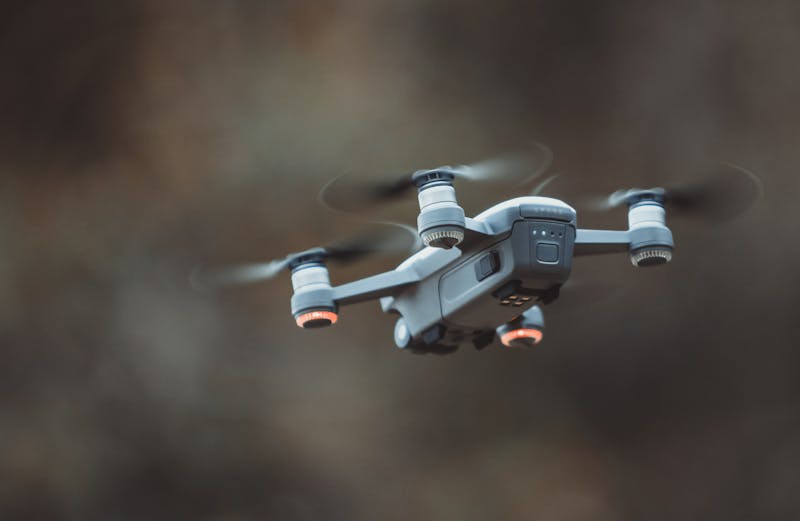
DJI Neo is the lightest and most affordable model in the lineup. At only 135 grams, it is well under the 250g limit that requires FAA registration. This means you can fly it in the US without registration in parks, beaches, or areas that are not national parks.
View on Amazon: DJI Neo Drone →
- Weight: 135g (no FAA registration required)
- Camera: 4K/30fps, 2.7K/60fps
- Flight time: About 18 minutes
- Features: Can be flown with phone or by hand without a controller; QuickShots automatic cinematic sequence mode available
- Who is it for: First-time drone users, social media content creators, people looking for a budget-friendly start
Honest truth about the DJI Neo: The 4K image quality is lower compared to the higher models. The sensor is small, color profile is limited. It shoots nice sunny day videos, but it may fall short for professional or project-based work. Ideal for beginners and social media.
DJI Mini 4K: Lightweight and Affordable
DJI Mini 4K is one step up from the Neo. The 4K/30fps image quality is similar to the Neo, but the real advantage of this model is the more stable, longer-range control that comes with the traditional DJI controller system. Since it stays just under 249g, no registration is required.
View on Amazon: DJI Mini 4K (Single) →
View on Amazon: DJI Mini 4K Fly More Combo →
The Fly More Combo includes two extra batteries, a charging hub and a shoulder bag. If you plan to do long shoots in one session, the extra flight time from the Fly More Combo (roughly 3x18 minutes = 50+ minutes total) is very valuable. For people just starting with drones, the Fly More Combo definitely makes sense.
DJI Mini 3 (with DJI RC): How Is It Different from Mini 4K?
When you compare the DJI Mini 3 to the Mini 4K, the most obvious difference is vertical video mode. The camera can rotate 90 degrees, so you can shoot vertical video in phone-screen format for Instagram Reels or TikTok. If you produce social media content, this difference is a serious advantage.
DJI RC means a controller with a built-in screen. You can watch your footage on a screen that is visible even in sunny weather, without pulling out your phone.
View on Amazon: DJI Mini 3 (DJI RC) →
DJI Air 3S: Advanced Level, Serious Content Creation
The Air 3S is DJI's model for the "serious content creator" segment. With a 1-inch main sensor and wide-angle options, this model delivers near-professional image quality. There is a significant price jump, but in return you get:
- 1-inch CMOS sensor: much better low-light performance
- Multiple cameras: wide angle + telephoto, different perspectives in a single shot
- 4K/120fps: slow motion capability
- D-Log color profile: raw material for color grading
- Advanced obstacle detection: safety during autonomous shots
View on Amazon: DJI Air 3S Fly More Combo (DJI RC 2) →
Who the Air 3S makes sense for: YouTube channels, people making money from drone footage, content creators or professionals who want cinema-quality images. For hobbyists or people who just want to fly occasionally, I would say the Mini series is more than enough.
DJI Avata 2: A Completely Different Category
The Avata 2 is in a completely different category from the drones above: it is an FPV (First Person View) drone. You wear goggles and experience the drone's camera as if it were your own eyes. Very fast, very maneuverable, but the learning curve is very steep.
View on Amazon: DJI Avata 2 Fly More Combo (3 Batteries) →
Fair warning about the Avata 2: This drone is absolutely not a model to buy without drone experience. The risk of crashing at high speed in the beginning is real. Also, you do not get the full experience without FPV goggles ($300+). It is great for true FPV enthusiasts, but definitely not recommended as a starting point for "let me try drones" purposes.
Which DJI Drone Is Right for You?
| Model | Weight | FAA Registration | Sensor | Who Is It For | Approx. Price |
|---|---|---|---|---|---|
| DJI Neo | 135g | Not required | 1/2" CMOS | Beginner, social media | ~$200 |
| DJI Mini 4K | 249g | Not required | 1/2.3" CMOS | Travel, beginner+ | ~$300-350 |
| DJI Mini 3 | 249g | Not required | 1/1.3" CMOS | Vertical video, social media | ~$400-450 |
| DJI Air 3S | 723g | Required | 1" CMOS | Serious content creation | ~$1,000+ |
| DJI Avata 2 | 377g | Required | 1/1.3" CMOS | FPV enthusiasts | ~$600+ |
What You Need to Know About FAA Rules
In the US, drones over 250 grams must be registered with the FAA. The registration process is online and costs 5 dollars. Also, in some areas (national parks, airport surroundings, Washington DC) flying drones is completely prohibited. DJI's DroneGo app lets you check the zone before you fly.
- Under 250g (Neo, Mini series): No FAA registration required, but you still must follow aviation rules
- Over 250g: Register through FAA.gov ($5), attach registration to the drone
- Commercial use (making money): Part 107 license required
135 grams does not mean free to fly everywhere: Just because the DJI Neo does not require FAA registration does not mean you can fly it anywhere. National Parks, state reservations and many beach parks ban drones completely, regardless of weight. Check the B4UFLY app or AirMap before you fly. Fines start at $1,000+.
Final verdict: For first-time drone buyers, the Neo or Mini 4K Fly More Combo is your starting point. If you shoot vertical video for social media, the Mini 3 (with RC) is a meaningful upgrade. If you have professional content or money-making goals, the Air 3S is a much safer investment, and the better sensor quality will stay relevant longer.
Drone Accessories
No matter which model you get, these supporting products complete the drone experience:
- Portable Battery Charging Hub: A hub for charging extra batteries for the Mini 4K or Mini 3; for charging multiple batteries in the field. View on Amazon →
- Drone Shoulder Bag: A backpack with dedicated compartments for carrying your drone, controller and extra batteries; compatible sizes for Mini and Neo series. View on Amazon →
- ND Filter Set (for Mini 4K / Mini 3): Reduces glare and overexposure when shooting video in sunlight; essential for a cinematic look. View on Amazon →
- Landing Pad: For takeoff and landing on grass, sand or dusty ground; protects the drone camera and motors. View on Amazon →
Affiliate Disclosure: Some Amazon links in this article are affiliate links. Your price doesn't change. I only recommend products I actually use or have personally tested.